
Logistics and Shipping Services Connecting Jacksonville, Florida with Tampa, FL
Connecting port operations with inland distribution across the Southeast.
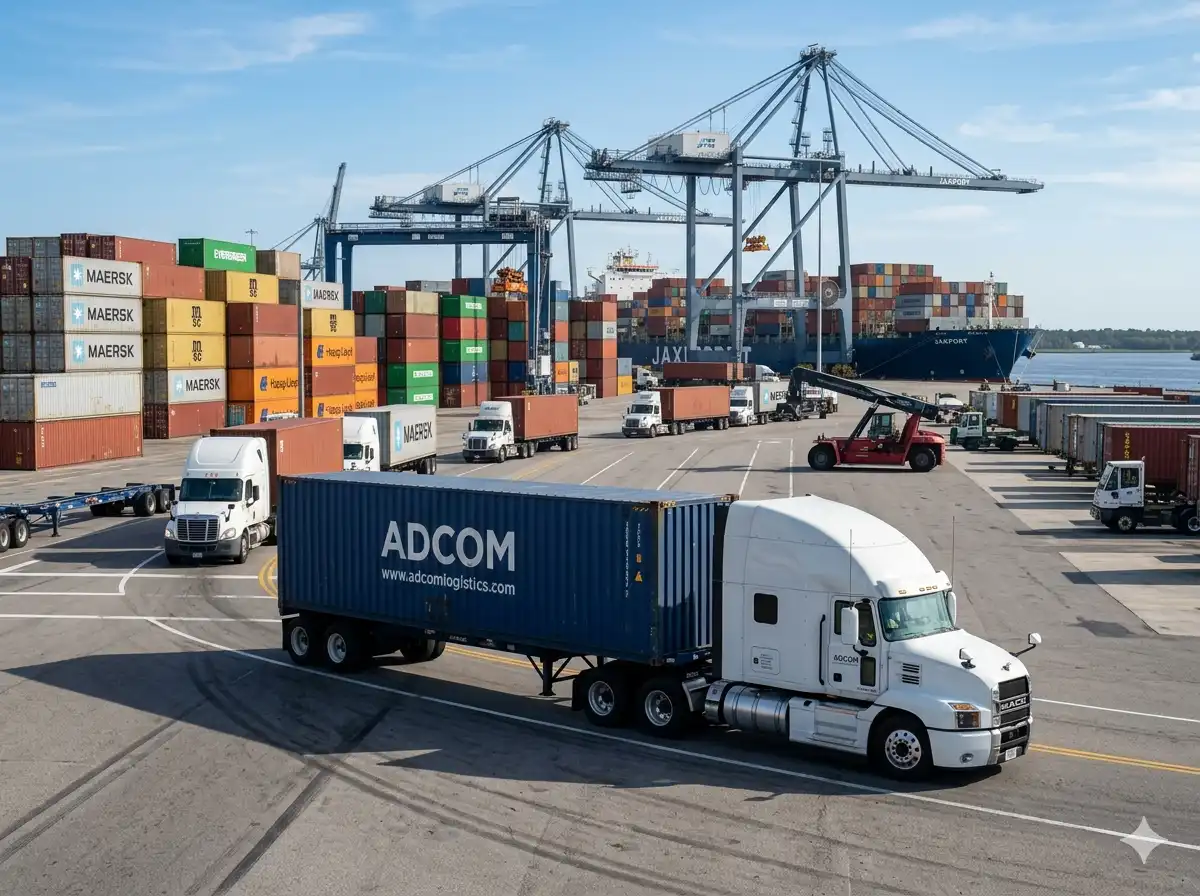
Jacksonville’s Role in Port Logistics and Southeast Distribution
Jacksonville serves as a key logistics hub where port operations connect directly with inland transportation and regional distribution networks across the Southeast. Supported by JAXPORT, one of the leading cargo ports on the East Coast, the city enables efficient movement of freight between international shipping routes and domestic supply chains. Unlike locations focused primarily on coastal imports or rail-based intermodal systems, Jacksonville’s logistics strength lies in its ability to transfer cargo from port terminals to highways and distribution centers with minimal delay. Major routes such as I-95, I-10, and I-295 support this flow of goods, allowing shipments to move efficiently between port facilities, warehouses, and commercial destinations throughout Florida and neighboring states. This integrated logistics system is supported by several key transportation components:
- Port and maritime freight operations
- Inland transportation and highway distribution
- Regional supply chain connectivity across the Southeast
Logistics and Shipping Services Operating in Jacksonville
Logistics services in Jacksonville are structured to support the movement of freight from port terminals into inland transportation networks and across Southeast distribution routes. Coordinating these operations requires aligning cargo arrival schedules, transportation planning, and delivery execution to ensure goods move efficiently from port entry points to warehouses, distribution centers, and final destinations.
These services support different stages of freight movement across port and inland logistics systems:
Delivery Services
Coordinates freight movement from port facilities to distribution centers and final delivery locations across Jacksonville and the Southeast.
Freight Forwarding
Manages routing, documentation, and coordination for domestic and international shipments moving through port and inland networks.
International Shipping
Manages routing, documentation, and coordination for domestic and international shipments moving through port and inland networks.
Military Shipping
Supports import and export operations by connecting port logistics with global shipping routes and inland delivery systems.
Tradeshow Shipping
Handles specialized shipments requiring structured coordination, secure transport, and compliance with logistics protocols.
Types of Shipments Supported in Jacksonville
- Containerized freight moving from port to distribution centers
- Commercial cargo for regional and Southeast delivery
- Tradeshow and event logistics shipments
- Tradeshow and event logistics shipments
- International cargo transitioning to inland transport
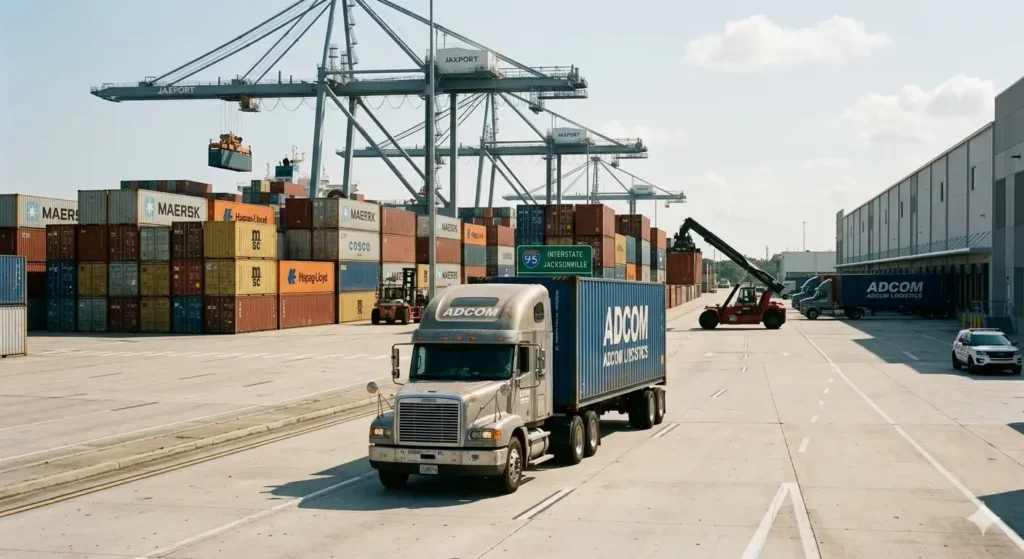
Logistics Challenges Solved Through Jacksonville’s Port and Distribution Network
Freight movement through Jacksonville requires coordinating cargo across port operations, transportation networks, and regional distribution systems, where delays can occur between unloading, routing, and final delivery. Managing this process involves aligning port schedules with inland transportation and ensuring shipments move efficiently from entry points to distribution centers across the Southeast. Logistics coordination helps reduce bottlenecks, maintain visibility across shipment stages, and support consistent delivery performance across both domestic and international supply chains.
These logistics systems help address several key challenges in port-based and regional freight movement:
Coordinating Port to Inland Freight Movement
Ensures cargo transitions smoothly from port terminals to trucks and distribution centers without unnecessary delays.
Managing Regional Distribution Across the Southeast
Supports efficient routing and delivery planning for shipments moving across Florida and neighboring states.
Maintaining Consistent Delivery Flow
Aligns port handling, transportation schedules, and delivery timelines to reduce disruptions in supply chain operations.
Our logistics team coordinates freight movement from port terminals to inland distribution networks, supporting delivery, shipping, and supply chain operations across the Southeast.