
Logistics and Shipping Services Connecting Seattle, Washington with Tampa, FL
Supporting cross-border freight, commercial shipping, and logistics coordination from Seattle to Tampa.
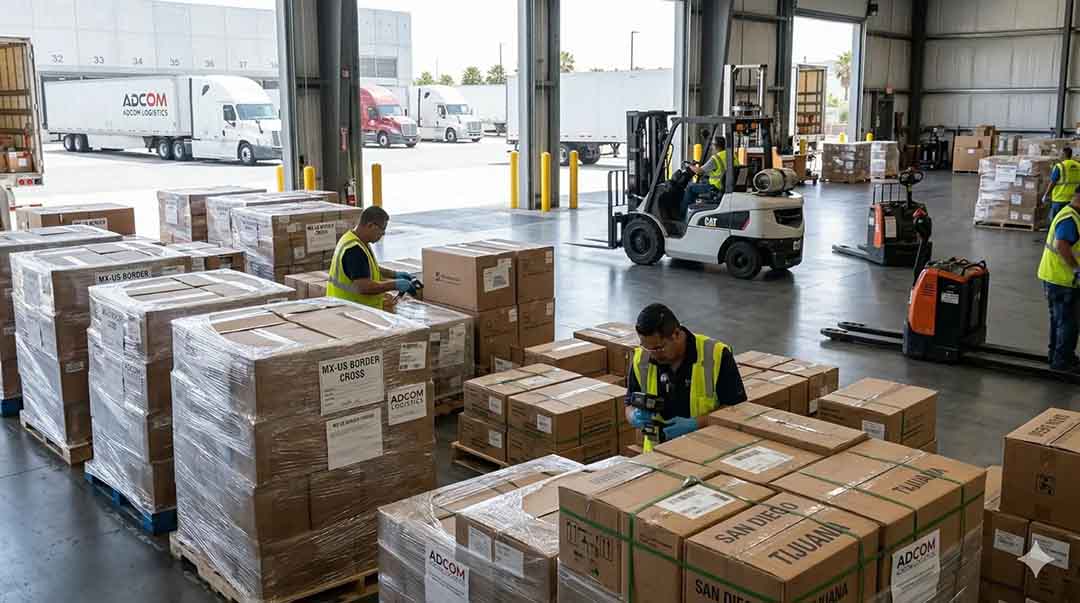
Seattle’s Impact on Cross-Country Freight and Regional Logistics
- Cross-border freight and trade movement
- Regional freight transportation and delivery
- Commercial logistics and cargo handling
Logistics and Shipping Services Operating From Seattle
Logistics services in Seattle are built to support port-driven freight movement, long-haul transportation, and coordinated distribution across the Pacific Northwest and national supply chains. These services manage cargo as it transitions from marine terminals to rail yards, warehouses, and over-the-road routes moving goods toward inland and cross-country destinations.
These services support multiple stages of freight movement throughout Seattle’s port-centered logistics environment:
Delivery Services
Coordinates freight movement between port terminals, warehouses, distribution centers, and business destinations across Seattle and the broader Pacific Northwest, with connections extending into national and cross-country shipping networks.
Freight Forwarding
Manages routing, documentation, and shipment coordination for freight moving through port operations, intermodal systems, and broader regional and national logistics networks.
International Shipping
Links Seattle-based freight with national and international shipping networks, supporting coordination between port activity, rail transport, and long-haul commercial distribution.
Military Shipping
Handles specialized cargo requiring secure transport planning, intermodal coordination, and carefully managed movement through port, rail, and long-haul distribution channels.
Tradeshow Shipping
Coordinates transportation of exhibits, equipment, and event materials requiring precise scheduling, port-to-site delivery planning, and organized handling across regional and national routes.
Types of Shipments Supported From Seattle to Tampa
Freight moving through Seattle is largely driven by international imports, domestic distribution, e-commerce fulfillment, and industrial supply chains serving the Pacific Northwest and national markets. These shipments require coordinated management between port terminals, intermodal facilities, warehouses, transportation networks, and delivery schedules to ensure efficient movement from arrival to final destination. Common freight categories include:
- Commercial cargo and staged freight
- Regional freight and business delivery
- Inventory and warehouse-linked shipments
- Secure and specialized shipments
- Cross-border and trade-related freight
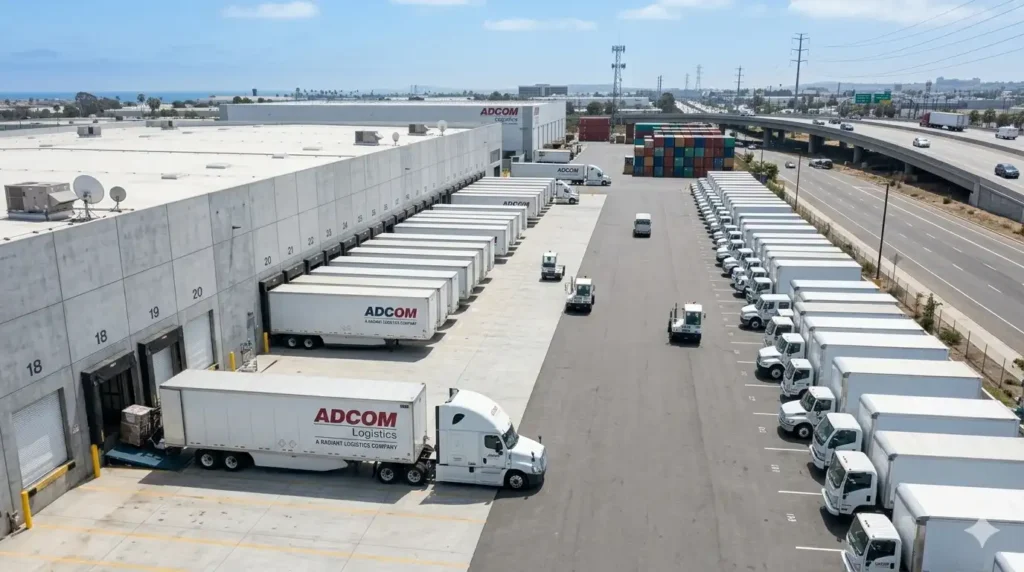
Logistics Challenges Solved Through Seattle’s Freight and Transportation Network
Freight movement in Seattle often involves coordinating port arrivals, intermodal transfers, warehouse staging, and long-haul transportation schedules, where delays can ripple across national supply chains. Logistics coordination helps align vessel timing, rail availability, trucking capacity, and distribution planning to reduce congestion, maintain flow, and support more reliable freight movement from the West Coast to inland and cross-country destinations.
These logistics systems help address several key transportation and shipping challenges:
Coordinating Port-to-Inland Freight Movement
Supports efficient routing and handling of shipments moving through port operations, intermodal hubs, and connected national transportation networks.
Improving Warehouse and Shipment Flow
Helps align cargo staging, intermodal transfers, route planning, and handling processes across Seattle’s port-driven logistics environment.
Maintaining Reliable Delivery Performance
Supports consistent shipment timing across port operations, intermodal transfers, and long-haul distribution moving through regional and national logistics networks.
Our logistics team coordinates port-based freight, commercial shipping, and delivery services throughout Seattle and the broader Pacific Northwest, while connecting businesses to reliable nationwide distribution networks.
Need Logistics Support From Seattle to Tampa?
Freight Transportation and Supply Chain Coordination in Seattle
Seattle supports freight movement by connecting port operations, intermodal facilities, warehouse networks, and long-haul transportation routes across the Pacific Northwest and into national markets. Its logistics environment allows businesses to move cargo efficiently from marine terminals to storage, distribution, and final delivery destinations. Coordination across these systems helps maintain delivery consistency and supports supply chain performance across a wide range of industries.
Cross-Border Freight and Trade Coordination
Freight moving through Seattle is largely driven by port-based imports and outbound distribution flowing through interconnected logistics systems. Coordinating this movement helps ensure cargo transitions efficiently between terminals, intermodal facilities, and delivery networks across regional and national routes.
Warehouse and Commercial Logistics Support
Supporting Delivery and Supply Chain Performance from Seattle to Tampa
Reliable logistics coordination helps reduce disruptions by aligning port activity, freight movement, delivery timing, and transportation planning across Seattle’s logistics network.
Logistics and Shipping Questions For Shippment from Seattle to Tampa
How are port-based and cross-country shipments coordinated from Seattle?
Port-based and cross-country shipments are coordinated through vessel scheduling, intermodal transfers, warehouse handling, route alignment, and delivery planning to support efficient freight movement.