
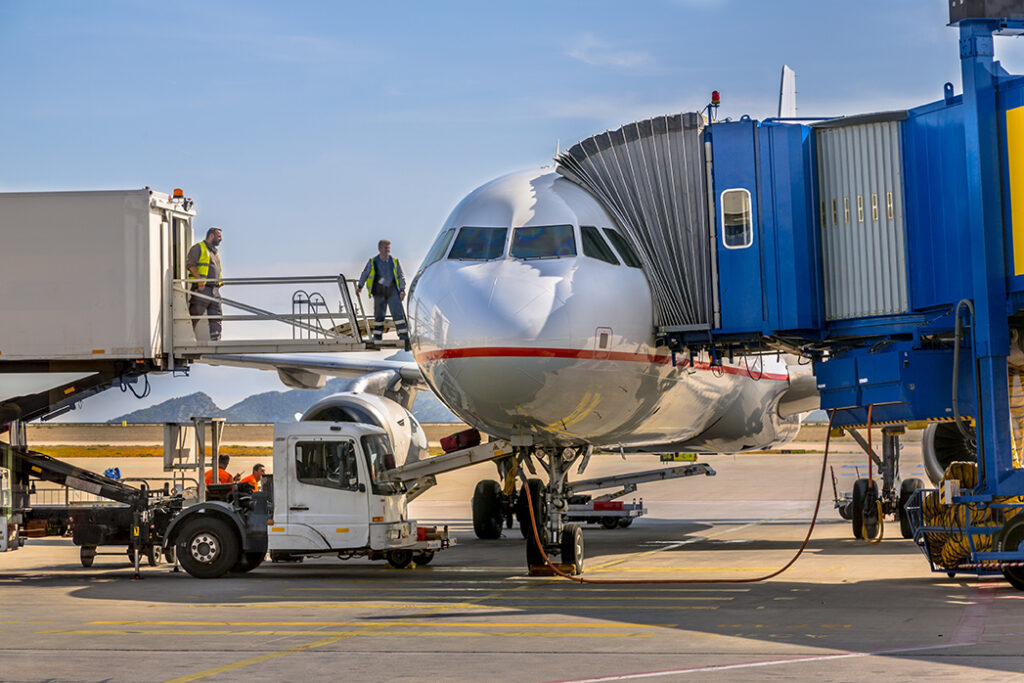
Air freight buys speed in the air. It does not buy the ground leg on either end. A shipment that flew overnight from Los Angeles can land at Tampa International before sunrise and still sit in a cargo warehouse until late afternoon, because nobody arranged for someone to pick it up.
Airport recovery is that missing leg. A driver goes to the air cargo facility, presents documentation, takes custody, and delivers to the final destination. It sounds simple, and the mechanics of it are, but the failure points sit in the details of release and access. Our air freight services operate three minutes from the TPA cargo area, which is close enough that recovery is a short move rather than a second trip across the metro.
Access is the first of those. Air cargo facilities operate under federal security requirements, and the TSA air cargo program governs who may handle and collect freight moving through the system. A driver without the right credentials does not get the shipment, regardless of who sent them.
What is airport recovery?
Recovery is the ground pickup of air cargo from the airline or handler at the destination airport, followed by delivery to the consignee. It is a distinct service from the air move itself, and on most airport-to-airport bookings it is not included.
That gap surprises shippers who booked what they understood as a door-to-door shipment. Airport-to-airport service ends at the cargo facility. Someone still has to arrange the last leg, and until they do, the freight accrues storage.
Recovery is time sensitive for a reason beyond urgency. Airlines and handlers provide a free storage period, and after it expires, storage fees begin. Freight that flew overnight to save two days can quietly give those savings back sitting in a warehouse.
Why does freight sit at the airline counter?
Four causes account for most of it, and none involve the airline doing anything wrong.
- No recovery was booked. The shipper arranged the flight and assumed the ground move was included.
- Documentation is incomplete. The air waybill number, release authorization, or consignee details are missing, so the handler will not release.
- The consignee cannot collect. They lack a vehicle for the freight size, credentials for the facility, or staff available during cargo hours.
- Customs is unresolved. International freight has not cleared, so the shipment is not eligible for release regardless of who arrives for it.
The first two are the common ones on domestic freight, and both are solvable before the plane lands.
What documents release a shipment to a recovery driver?
The handler releases against paperwork, not against a phone call. A driver arriving without the right information leaves without the freight and the run has to be repeated.
The table below covers what is generally required. Requirements vary by airline and handler, so confirm specifics before dispatch.
| Item | Purpose |
|---|---|
| Air waybill number | Identifies the shipment in the handler’s system |
| Consignee name and address | Confirms the destination on record |
| Release or delivery order | Authorizes the carrier to take custody |
| Driver credentials and photo ID | Satisfies facility security requirements |
| Customs release, on international freight | Confirms the shipment cleared and may leave the facility |
| Signature at pickup | Transfers custody and starts the ground leg record |
Custody transfer at the counter matters if condition becomes a question later. Our overview of freight shipping documents explains how these records establish who held the freight and when.
How do AOG parts differ from general air cargo?
AOG stands for aircraft on ground, and it describes a part whose absence keeps an aircraft from flying. The same pattern shows up outside aviation any time a single component halts an expensive operation, such as a production line or a hospital system.
AOG handling differs in urgency rather than mechanics. Recovery is arranged before the flight lands, a driver is positioned at the cargo facility ahead of arrival, and the ground leg begins within minutes of release rather than being scheduled afterward. The shipment often moves directly to the aircraft or facility rather than through any intermediate stop.
That pre-positioning is the whole method. Waiting for arrival confirmation before dispatching a driver adds the positioning leg to the timeline at the point where it hurts most.
What does a recovery timeline look like?
A clean domestic recovery runs on a short sequence: flight arrival, handler breakdown and check-in of the shipment, release to the recovery driver, then transit to the consignee. The step shippers underestimate is handler breakdown, which happens on the handler’s schedule and not on yours.
Booking recovery in advance rather than after arrival removes the largest delay. The driver is en route or waiting when the shipment becomes available, rather than being dispatched from scratch once someone notices it landed.
For shipments that need to break down and redistribute rather than move as one unit, cross docking handles the sort without putting freight into storage.
Arranging recovery before the flight lands
The freight moving fastest is the freight where the ground leg was booked at the same time as the air leg. Everything else waits for someone to notice it arrived.
For parts and components where waiting is not an option, emergency shipping covers recovery and delivery around the clock.
Request a quote or call 813-887-3747 with your air waybill and flight details, and we will position a driver for release.