
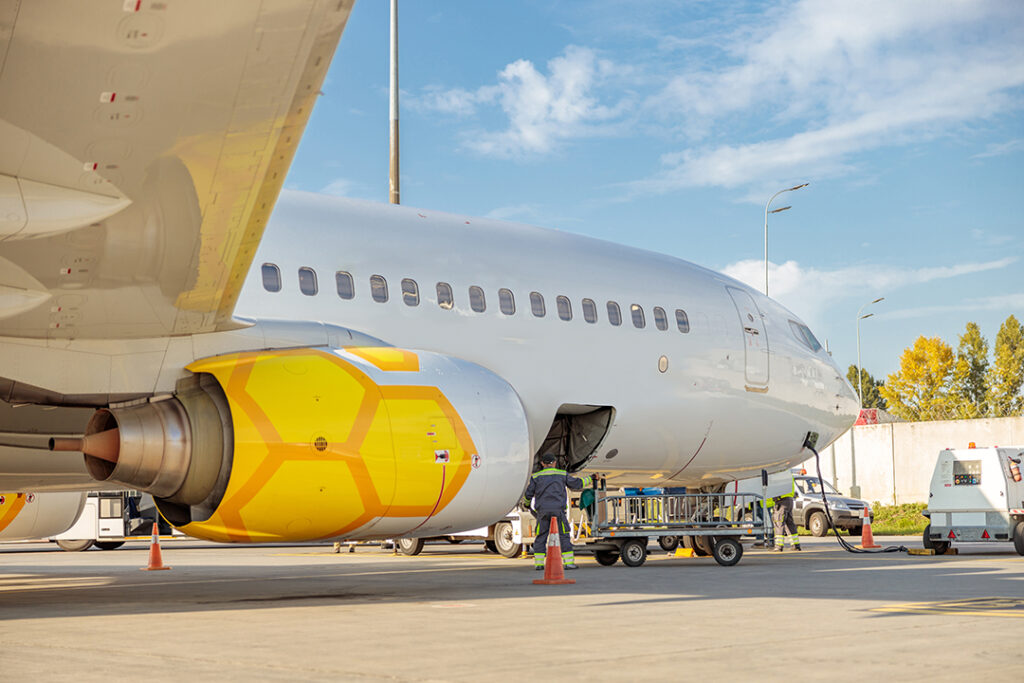
When urgent shipments demand immediate action, choosing between air freight and ocean shipping supported by warehouse and distribution services becomes a high-impact business decision. While sea freight delivers cost efficiency for planned imports, time-sensitive logistics introduce operational risks that ocean transport is not designed to absorb. For companies operating throughout the Tampa Bay area and along major Gulf Coast shipping routes, air freight often becomes the only mode capable of meeting critical timelines.
This article examines why air freight consistently outperforms sea freight for urgent shipments, using real-world logistics constraints and guidance published by the U.S. Department of Transportation Freight Office.
How Much Faster Is Air Freight Than Sea Freight?
The transit-time difference between air and ocean freight is significant. Ocean shipments moving through international trade lanes typically spend multiple weeks in transit once port dwell time, vessel schedules, customs clearance, and inland transportation are factored in. Even under stable conditions, total transit times of 14 to 21 days are common.
Air freight compresses that timeline to days rather than weeks. International air shipments frequently reach their destination within 48 to 72 hours from pickup, including airport handling and customs processing. For emergency replacements, medical supplies, or production-critical components, this time reduction can prevent shutdowns and cascading delays across operations.
What Are the Real Costs of Delay with Sea Freight?
Comparing freight modes based only on transportation cost overlooks the broader financial consequences of delay. While ocean freight may appear substantially cheaper per shipment, extended transit times often introduce indirect costs that quickly exceed the air freight premium.
- Production interruptions caused by missing components or raw materials
- Lost revenue from delayed customer deliveries or missed launch windows
- Emergency recovery shipping required to meet contractual obligations
- Service-level penalties and strained customer relationships
- Higher inventory carrying costs while goods remain tied up in transit
In many urgent scenarios, avoiding even a single day of downtime or a missed delivery commitment can justify the higher upfront cost of air freight.
Why Does Sea Freight Struggle with Time-Sensitive Cargo?
Ocean freight operates on fixed sailing schedules with limited flexibility. Missing a cutoff can delay a shipment by a full week. Port congestion, weather disruptions, labor shortages, and customs inspections add uncertainty that is difficult to mitigate once cargo is on the water.
Air freight offers significantly greater adaptability. Multiple daily departures, alternative routing options, and faster recovery from disruptions allow shipments to move around problems rather than wait for them to resolve. This flexibility is especially valuable for businesses managing just-in-time inventory or responding to unexpected demand.
Sea freight consolidation can also introduce hidden delays. Smaller shipments may wait days to be combined into full containers, whereas air freight allows immediate movement regardless of shipment size.
When Does Sea Freight Still Make Sense?
Sea freight remains an effective option for planned, non-urgent shipments with adequate lead time. High-volume or commodity goods benefit from ocean freight’s lower per-unit cost when delivery schedules are predictable and delays are tolerable.
In these situations, pairing ocean transport with planned expedited freight services on the receiving end can help balance cost efficiency with delivery reliability, especially for regional distribution throughout Florida and the Southeast.
How Should Businesses Choose Between Air and Sea Freight?
The decision between air and sea freight comes down to operational risk. If a delay results in lost revenue, production disruption, regulatory exposure, or customer dissatisfaction, air freight often delivers greater overall value despite higher transportation costs. When timing flexibility exists and inventory buffers are in place, sea freight may remain the appropriate choice.
If you are evaluating options for an upcoming shipment and need help weighing speed, cost, and risk, our team can walk through the tradeoffs and help determine whether air or ocean transport makes the most sense for your timeline.
For businesses facing urgent shipping requirements in the Tampa Bay area or along major domestic and international routes, air freight provides the speed, reliability, and routing flexibility that time-critical cargo demands. If you need to move urgent freight without compromising operational continuity, contact our emergency shipping team to discuss air freight solutions aligned with your timeline and budget.