
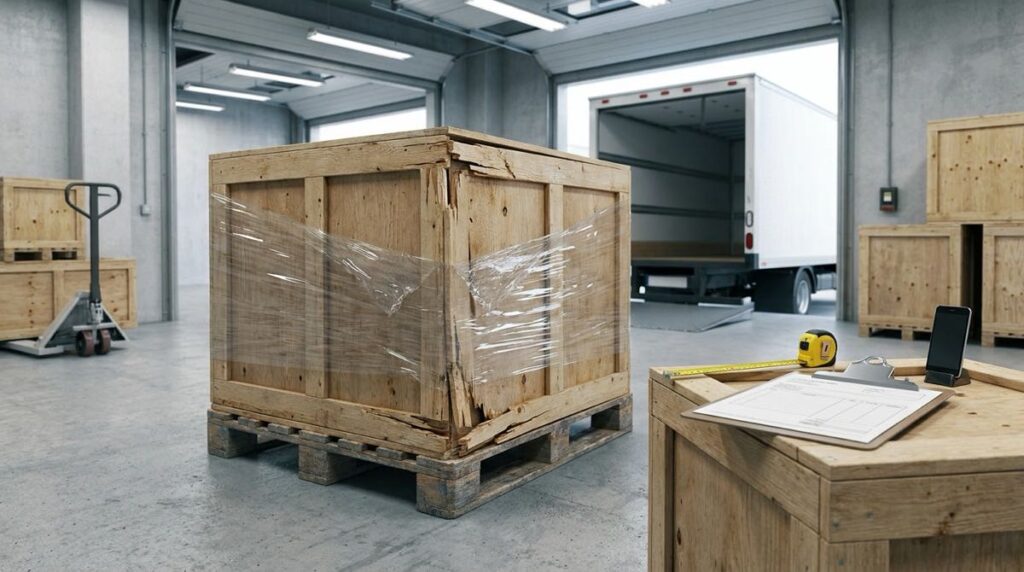
A crate arrives with a crushed corner, the booth crew is racing the clock, and the driver wants a signature. What gets written on the delivery receipt in the next two minutes can decide whether a damage claim is paid later. Federal rules for motor carriers and freight forwarders in interstate commerce, set out in 49 CFR Part 370, spell out how claims are filed and handled. This guide is general information, not legal advice, and the terms of the bill of lading control the filing deadlines.
Adcom Worldwide moves trade show and event freight with dispatch tracking each shipment directly. The record that supports a claim starts at the dock, so this guide focuses on what to capture there.
Why Does Condition at the Dock Decide a Claim?
The delivery receipt and the bill of lading are the first documents a carrier checks. Part 370 says notations of damage on delivery receipts or inspection reports do not count as a claim by themselves. A claim is a written communication that identifies the shipment, asserts liability, and states a specified or determinable amount. The dock notation is the evidence, and the written claim is what starts the process. Our comparison of the bill of lading and the delivery receipt explains which document proves what.
What Should You Record Before Signing?
Take a few minutes at the dock, even on show day. Record these before the driver leaves:
- Photos of each crate and pallet from all sides before opening
- Photos of damage with a reference object for scale
- Notes on the delivery receipt that name the damage, shortage, or crate condition for each piece
- The piece count checked against the bill of lading
- The condition of seals, wrap, and labels
- The names of the driver and the person who signed
Specific notes are easier to match to a photo than general ones, so describe what you can see.
What Does a Claim Need to Include?
Part 370 describes the minimum filing requirements and the supporting documents a carrier may need. The table summarizes them. The bill of lading sets the time limit for filing, and our guide to common bill of lading mistakes covers errors that can complicate a claim.
| Item | Why it matters |
|---|---|
| Written claim | Identifies the shipment, asserts liability, and states a specified or determinable amount |
| Bill of lading | Listed among the supporting documents when needed |
| Evidence of freight charges | Listed with the supporting documents |
| Invoice or proof of value | Shows the value of the freight involved |
How Long Does a Carrier Have to Respond?
Under Part 370, a carrier must acknowledge a written claim within 30 days of receipt unless it has already paid or declined it. It must then pay, decline, or make a firm compromise settlement offer within 120 days, with written status updates every 60 days if it needs longer. Those timelines bind the carrier. The claimant’s deadline to file comes from the bill of lading.
What Changes When a Show Contractor Handles the Freight Next?
Exhibit freight often passes from the carrier to the show’s contractor at the dock or the advance warehouse, and each handoff is a point where condition can change. Photograph the freight at each handoff and keep the receipts together, so the record shows where damage was first noted. Our freight shipping documents guide and our article on how shipping documents prevent freight delays explain how a complete paper trail protects the shipment. For the full outbound and return plan, see Tradeshow Logistics 101.
If you want the condition record built into your exhibit freight from pickup to delivery, call 813-887-3747 and a logistics specialist will walk through the paperwork before the freight moves.